
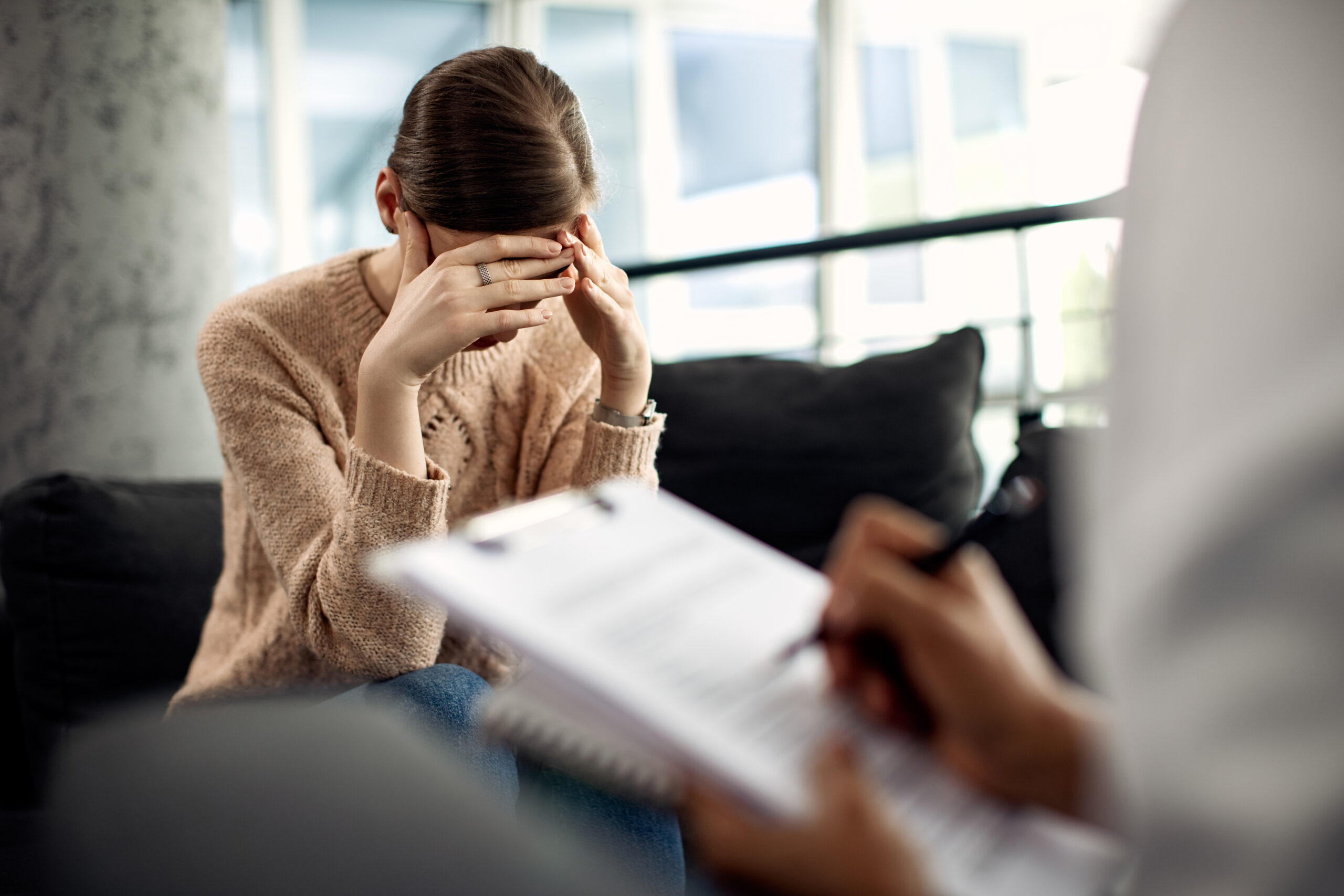
Sometimes it is difficult to understand whether you’re dealing with anxiety, depression, or both when you feel constantly worried, exhausted, or emotionally disconnected. As they both share similar emotional and physical symptoms, people often get confused about these mental health issues. However, understanding anxiety vs depression symptoms is important because each condition affects the mind and body differently and may require different treatment approaches.
Anxiety creates intense fear, worry, and nervous energy, but depression is more linked to sadness, hopelessness, and loss of motivation. In some cases, people experience both conditions at the same time, and this creates confusion among people. This blog explains the symptoms, key differences, overlapping signs, causes, treatment options, and when to seek professional help.
What Are Anxiety and Depression?
What Is Anxiety?
Anxiety is a mental health condition that causes excessive worry, fear, or nervousness, whose effects can hamper your day-to-day life. Everyone experiences occasional stress, but anxiety becomes problematic when the feelings are persistent, overwhelming, or difficult to control.
Anxiety affects thoughts, emotions, and the body. People with anxiety may constantly anticipate danger, overthink situations, or feel physically tense even when there is no immediate threat. Common anxiety disorders include generalized anxiety disorder (GAD), panic disorder, social anxiety disorder, and phobias.
What Is Depression?
Depression is considered a mood disorder that negatively affects how a person feels, thinks, and functions. It goes beyond temporary sadness or having a bad day. It can make everyday activities feel emotionally and physically exhausting.
People dealing with depression often lose interest in hobbies, relationships, and responsibilities they once enjoyed. It can affect sleep, appetite, concentration, and overall motivation, making it difficult to manage daily life.
Anxiety vs Depression Symptoms: What’s the Difference?
Emotional Symptoms of Anxiety
Anxiety is linked to intense emotional distress and constant worry, and its emotional symptoms may include:
- Excessive worrying about everyday situations
- Fear or panic that feels difficult to control
- Feeling restless or tense
- Irritability or frustration
People who are dealing with anxiety often feel mentally alert most of the time, as if they are waiting for something bad to happen.
Emotional Symptoms of Depression
Depression feels like emotional heaviness and a lack of interest in life. Its emotional symptoms include:
- Persistent sadness or emptiness
- Feelings of hopelessness or worthlessness
- Emotional numbness
- Loss of interest in activities that they once enjoyed
Unlike anxiety, depression often reduces the emotional energy and motivation rather than increasing nervous energy.
Mental and Cognitive Symptoms
Although both conditions affect thinking patterns, they do so differently.
Some anxiety-related cognitive symptoms are:
- Racing thoughts
- Overthinking situations repeatedly
- Difficulty concentrating because of worry
Some depression-related cognitive symptoms:
- Brain fog or slowed thinking
- Difficulty in making decisions
- Negative self-talk and self-criticism
Anxiety makes the mind feel overactive, while depression often makes thinking feel slowed down and emotionally draining.
Physical Symptoms of Anxiety vs Depression
Your physical health is somehow connected to your mental health. That’s why mental health conditions can also produce strong physical symptoms such as:
Physical Symptoms of Anxiety:
- Rapid heartbeat
- Sweating
- Muscle tension
- Shortness of breath
Physical Symptoms of Depression:
- Fatigue or low energy
- Sleep disturbances
- Appetite changes
- Body pain or physical discomfort
These physical symptoms can sometimes cause people to mistake mental health conditions for medical illnesses.
Symptoms That Anxiety and Depression Have in Common
Overlapping Symptoms
Sometimes, anxiety and depression can share several symptoms, including:
- Trouble sleeping
- Difficulty concentrating
- Irritability
- Low energy
- Social cut-out
Due to these overlapping symptoms, people often find it difficult to identify which condition someone is experiencing without professional assistance.
Can Anxiety and Depression Happen Together?
Yes, there is a high chance that anxiety and depression can happen together. Many people experience symptoms of both conditions at the same time. This is known as co-occurring or comorbid mental health conditions.
In this, one condition can worsen the other. It is found that constant anxiety can lead to emotional burnout and hopelessness, while depression may increase fear, insecurity, and stress. To overcome this, seeking anxiety therapy in Virginia can be helpful.
Signs You May Be Experiencing Both
Some signs that explain anxiety and depression may be occurring together include:
- Worry with hopelessness
- Feeling mentally and emotionally tired
- Loss of motivation while also feeling overwhelmed
- Difficulty in relaxing or enjoying life
When people experience both conditions together, daily functioning becomes even more challenging for them.
Common Causes and Risk Factors
Biological and Genetic Factors
Some biological and genetic factors that may contribute to anxiety and depression are:
- Family history of mental health conditions
- Imbalances in brain chemistry
- Hormonal changes
Genetics may increase a person’s vulnerability, especially when combined with stressful life experiences.
Lifestyle and Environmental Triggers
People don’t take it seriously, but environmental and lifestyle factors can also play a major role in triggering anxiety and depression, such as:
- Chronic stress
- Trauma or abuse
- Poor sleep habits
- Substance use
- Major life changes like loss, divorce, or financial stress
These triggers can affect emotional well-being and increase the risk of developing mental health conditions.
When Should You Take Professional Help?
Signs That Indicate You Need Professional Help
If you are noticing these symptoms, such as:
- Your daily functioning has become difficult
- Emotional distress is too much to handle
- Relationships, work, or personal health are affected
It is highly recommended to take professional help.
Why Early Support Matters
Early treatment and support can help:
- Preventing symptoms from getting worse
- Improving emotional and physical health
- Encouraging healthier coping strategies
- Helping people regain control of their lives
Taking professional help is a proactive action toward better mental health.
Treatment and Coping Strategies for Anxiety and Depression
Professional Treatment Options
Mental health professionals may recommend:
- Therapy or psychotherapy
- Counseling
- Medication when necessary
- Support groups and peer support
These treatment plans are often personalized based on individual symptoms and needs.
Healthy Coping Techniques
Professional treatment with healthy lifestyle habits can also support mental wellness. Some healthy lifestyles one can follow are:
- Physical exercise
- Mindfulness and relaxation practices
- Maintaining a proper sleep routine
- Reducing stress triggers
- Staying socially connected with supportive people
MySpectrum Counseling & Coaching
My Spectrum Counseling & Coaching is a well-known mental health provider in North Chesterfield, Virginia, that helps children, teens, and adults to grow. With more than 15 years of professional experience, we have a team of licensed professionals with LPCs, LCSWs, and LMFTs. Our professionals have all advanced certifications in CBT, DBT, Trauma-Focused Therapy, Play Therapy, and Substance Use Treatment.
We strictly follow HIPAA standards, and also partner with multiple insurance providers with major health plans in Virginia. According to the September 2023 Inc., MySpectrum Counseling & Coaching is one of the 5000 fastest-growing businesses, ranking #244 nationally and #1 in Richmond. As ChamberRVA members, we uphold the highest standards of ethics, community involvement, and accountability as we provide anxiety therapy in Virginia.